|
side include
|
Click here to learn about
West Nile Virus
or
Avain Influenza (bird flu)
|
Construction Updates
We are building a new cage for our resident animals, and we find ourselves about $6,000 short. Please help!
The first phase of construction has begun on our new display cages. This area of the Center will be open to the public. Many of our non-releasable animals will be there for you to see. We will be able to hold school programs in this area. We have some big plans and this is just the beginning.
Floor Plan
This 1200 square foot building will feature 4 separate cages. Each cage looks out on a patio with large windows for viewing the aminals inside. The central hallway provides access to the cages for cleaning and animal care.
July 7, 2008 - Fence Completed
This project is partially funded by the Environmental Trust Fund. However, we will be dipping into our emergency savings account to complete the construction. Click here
to see a history of the construction and a list of donors.
You can help by making a donation throught the
Wild Things Store or by sending a check to the Center at
P. O. Box 298
Hughson, CA 95386
Call 883-9414 or email
SWCCenter@aol.com
to volunteer.
The animals are counting on you.
Click here for a printer friendly map.
|
|
|
Critter E Cards
|
|
Get a 300 dpi 8" x 10" picture suitable for printing each month via email.
Join the Critter List
Offer limited to members only.
|
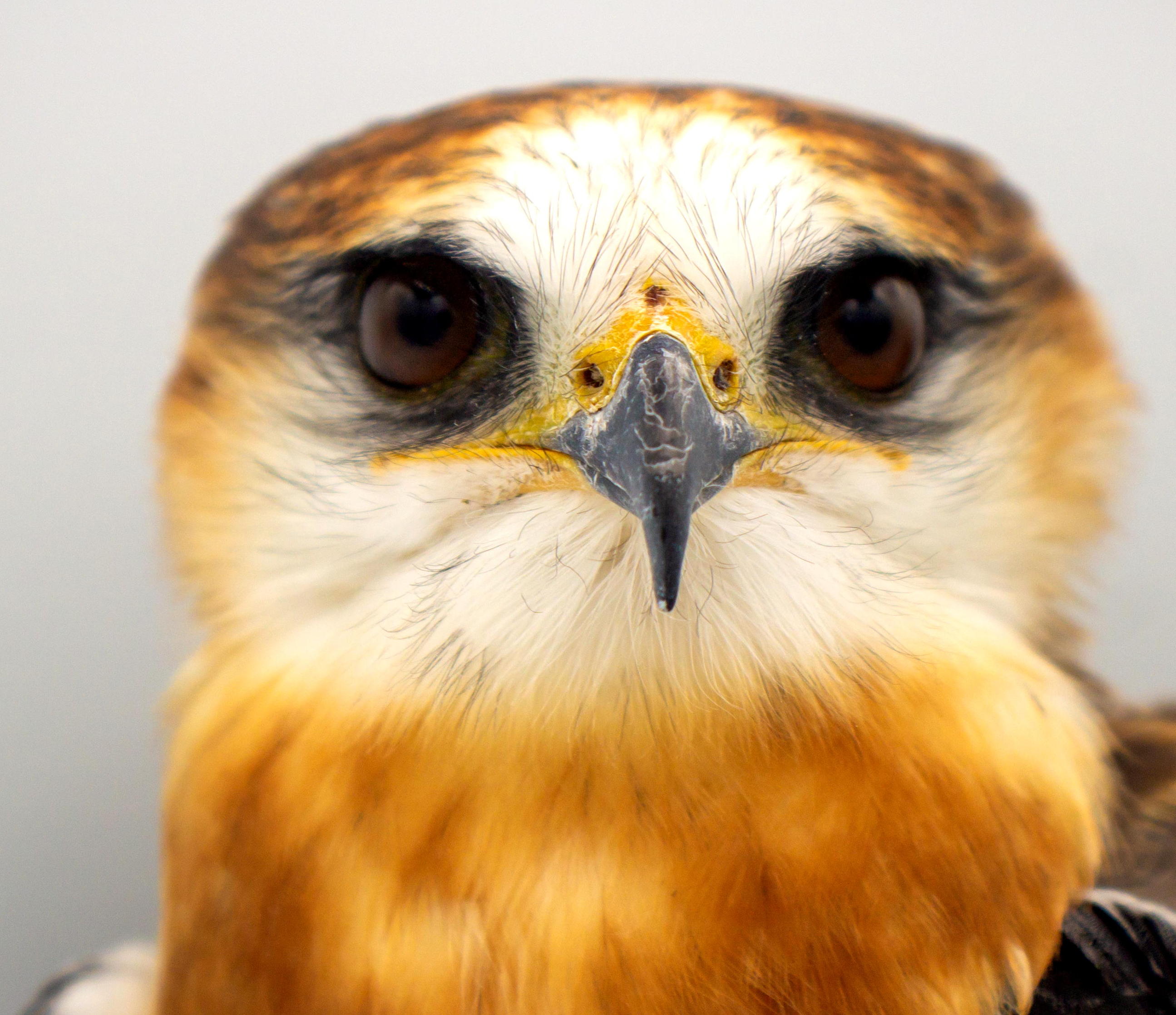
Swainson's Hawk
(Buteo swainsoni)
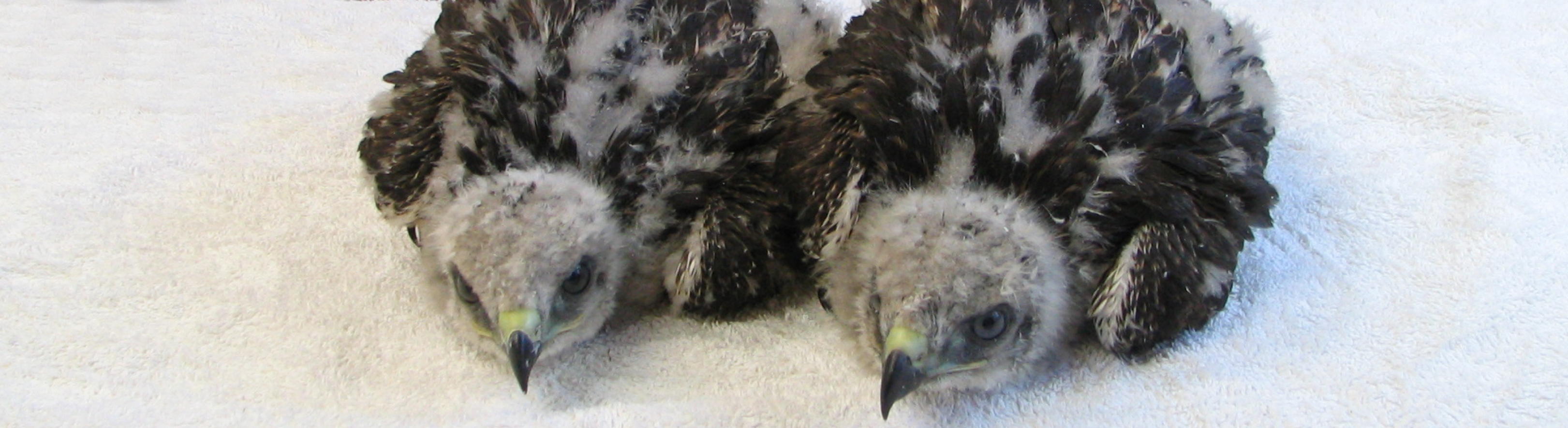
This young Swainson's hawk is only a few days old, not old enough to stand. When he grows up, his wings will span over 4 feet and he will be a foot and a half tall. Just about the same size as a red-tailed hawk.
Swainson's hawks nest in most of the western US, where they behave just like we expect large hawks to do. They nest in tall trees and eat mice. However, in the winter they migrate to South America where they do something very strange. They feast on grasshoppers, locusts, and beetles.
Originally Swainson's hawks were quite common. Now they are having population problems. Their population is threatened by loss of breeding habitat and by agricultural practices in South America.
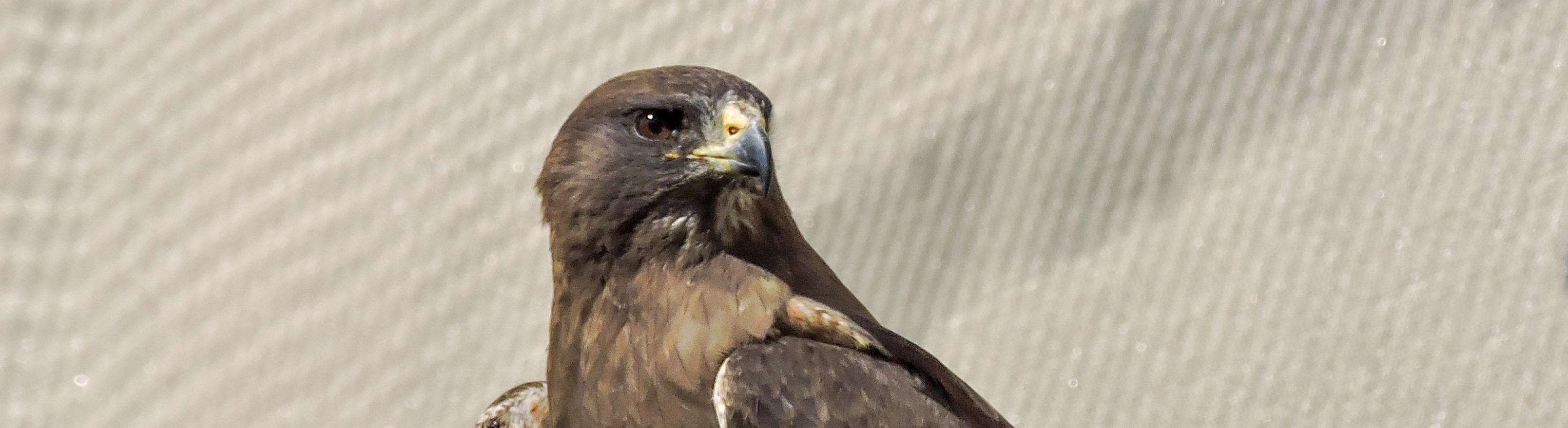
In the early days of the SWCC we did not receive baby Swainson's but for the last few years we have been getting a few of the interesting birds each year. This bird is now in a flight cage getting ready for release.
|
|
|
Visit the Wild Things Store
Support the Center by shopping online.
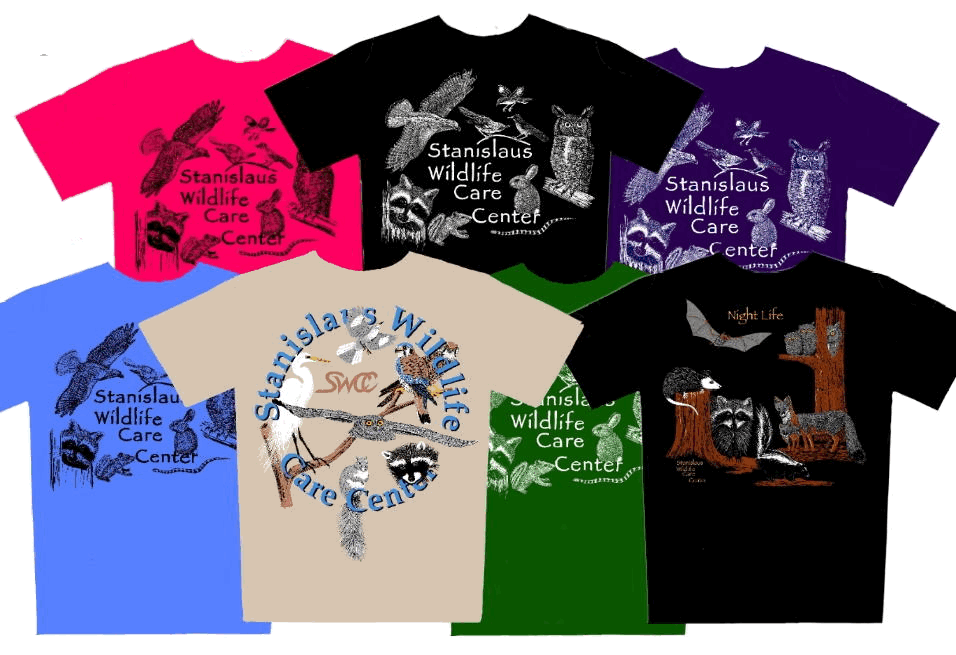
Tee shirts, sweat shirts, tote bags and more.

Support the SWCC by shopping at our online store.

Click here to visit the Store.
|
|